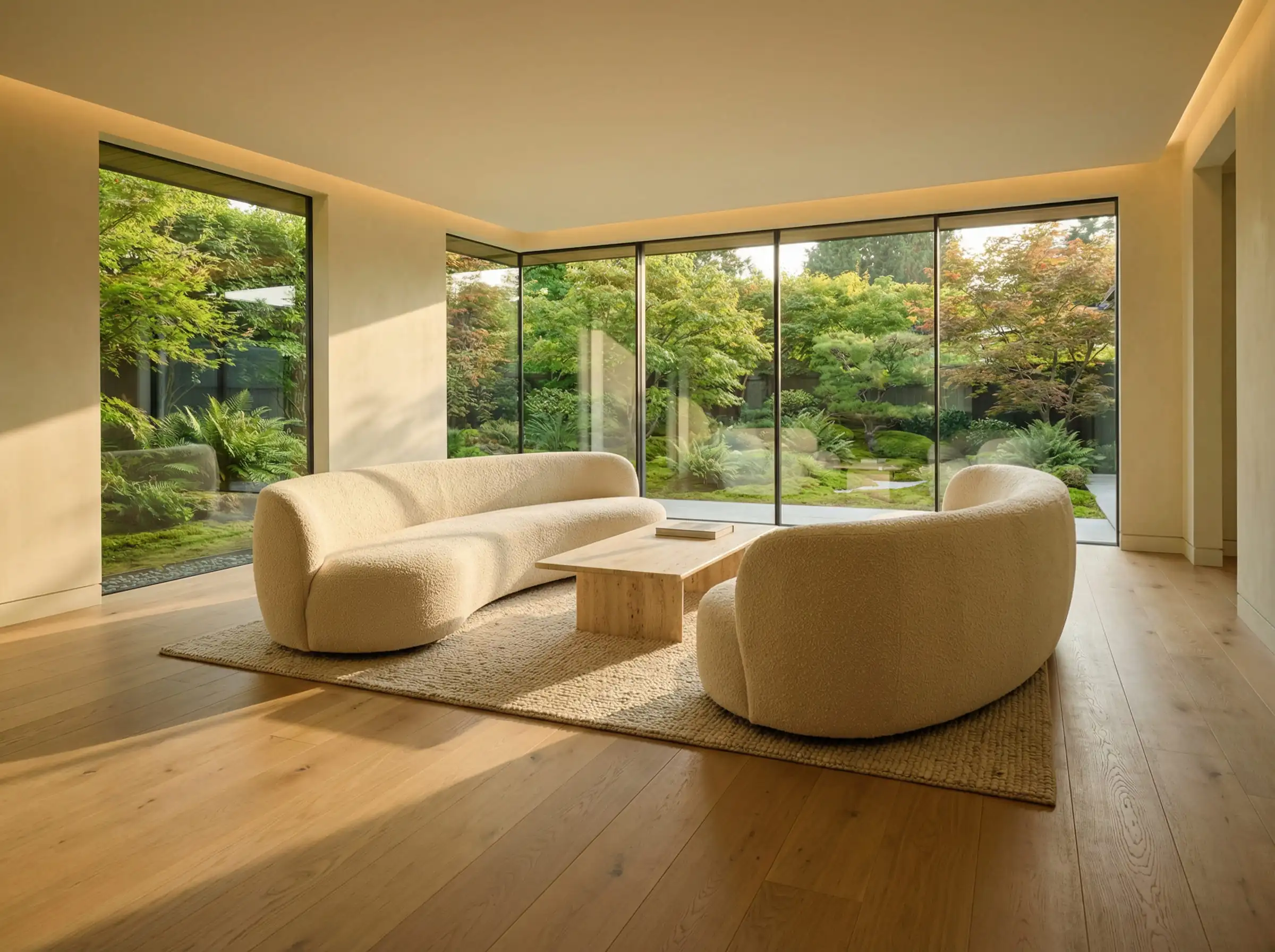
Flooring Trends
🔥 Summer Special — Free Backsplash Tile with Any LVP Install (up to $1,000 value). Limited spots. Claim Your Free Estimate →
Austin's climate is genuinely challenging for flooring. Summer humidity regularly hits 80 to 90 percent. Winters are dry. Most homes are slab-on-grade. These conditions eliminate some flooring options entirely and make others the clear winners. Here is the honest guide from a contractor who lives and works here.
Why Austin's Climate Is Uniquely Challenging for Flooring
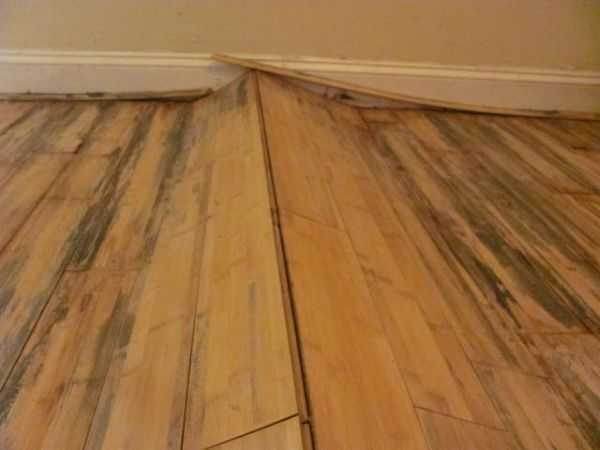
Central Texas has one of the most variable climates in the country from a flooring perspective. Summer humidity in Austin regularly reaches 80 to 90 percent during rainy periods, while winter indoor humidity can drop to 20 to 30 percent when heating systems run continuously. This 50 to 70 percent swing in relative humidity is exactly the kind of condition that causes wood floors to expand, contract, gap, cup, and warp.
Adding to the challenge: the vast majority of Austin homes — particularly in newer developments in Cedar Park, Round Rock, Pflugerville, and Bee Cave — are built on slab-on-grade foundations. Concrete slabs retain moisture and can transmit it upward into flooring materials. This is why solid hardwood, which was the default choice for generations of American homeowners, is genuinely problematic in many Austin installations.
LVP: The Best All-Around Choice for Austin Homes
Luxury vinyl plank is the clear winner for Austin's climate, and it is not particularly close. LVP is 100 percent waterproof — not just water-resistant, but fully impervious to moisture. It does not expand or contract meaningfully with humidity changes. It can be installed directly over concrete slabs with minimal subfloor preparation. And modern premium LVP looks genuinely beautiful, with embossed-in-register textures that closely mimic real wood grain.
For Austin families with children, pets, or active lifestyles, premium LVP with a 20-mil or 30-mil wear layer is the most practical luxury flooring choice available. We install LVP throughout Austin — from entry-level products in rental properties to premium rigid-core LVP in Barton Creek and West Lake Hills estates — and the performance in our climate is consistently excellent.
FREE CONSULTATION
Have a Flooring Question? We'll Come Take a Look — No Charge.
C & C Flooring Co. serves all of Central Texas. Get expert advice, a firm quote, and zero pressure.
Engineered Hardwood: The Right Way to Get Real Wood in Austin
If you want the warmth, character, and prestige of real hardwood in your Austin home, engineered hardwood is the correct choice — not solid hardwood. Engineered hardwood uses a real wood veneer bonded to a plywood or HDF core, which is dimensionally stable and resists the expansion and contraction that destroys solid wood floors in humid climates.
The key specifications to look for in Austin: a minimum 3mm wear layer (which allows for refinishing), a core that is rated for use over concrete, and a species with a Janka hardness rating above 1,000 (white oak, hickory, and hard maple all qualify). Properly installed engineered hardwood in Austin will perform beautifully for decades with normal care.
What to Avoid in Austin: Solid Hardwood and Laminate
Two flooring categories that we actively discourage for most Austin installations: solid hardwood and laminate. Solid hardwood is not inherently bad flooring — it is magnificent in the right climate. But in Central Texas, the humidity swings are severe enough that solid hardwood installed on a slab will almost certainly develop gapping in winter and potential cupping in summer over time. We have seen beautiful solid hardwood floors ruined within two to three years in Austin homes.
Laminate flooring has a similar problem: it is made primarily of wood fiber, which absorbs moisture and swells. While laminate has improved significantly in recent years, it remains a poor choice for Austin's climate compared to LVP, which offers similar aesthetics with genuine waterproofing. If a contractor is pushing laminate for an Austin slab home, that is a red flag.
Tile: The Permanent Solution for Wet Areas
For bathrooms, laundry rooms, mudrooms, and other wet areas, porcelain or ceramic tile remains the gold standard. Tile is completely impervious to moisture, extremely durable, and easy to clean. In Austin's climate, tile in wet areas is not just a good idea — it is essential. We regularly see LVP and even engineered hardwood fail in bathrooms where moisture management was not properly addressed.
For main living areas, large-format porcelain tile (24x24 or larger) is an increasingly popular choice in Austin luxury homes, particularly in contemporary and transitional designs. Porcelain handles our climate perfectly and requires minimal maintenance. The trade-off is comfort — tile is harder and colder underfoot than wood or LVP — but radiant floor heating systems can address this in primary bathrooms and other areas where comfort matters most.
TAGS
best flooring Austin humidityflooring Austin climatewaterproof flooring Austin TXLVP Austinhardwood humidity Austinflooring slab foundation Austin
Get Expert Advice on the Best Flooring for Your Austin Home
C & C Flooring Co. has installed floors in hundreds of Central Texas homes. We know what holds up in our climate and what does not. Call for a free in-home consultation and honest recommendation.